Archive May 15, 2026

Mediwave Wound Care Centre Ipoh Review: A Different Kind of Wound Care Center Near Me


When searching for a wound care center near me, many options may seem similar at first glance. However, the real difference becomes clear when you experience how the care is delivered. 

Mediwave Wound Care Centre stands out because of its structured and patient-focused approach. Instead of offering basic, repetitive dressing services, the clinic follows a clear treatment plan tailored to each individual. 

Every visit builds on previous progress, ensuring that healing is monitored and adjusted accordingly. This level of structure creates a more reliable and predictable recovery process, which is often missing in general clinics.


Technology and Methods That Improve Healing

One of the key strengths of Mediwave Wound Care Centre is its use of modern, evidence-based wound care methods.

Rather than relying on standard gauze dressings alone, the clinic uses advanced medical-grade materials designed to promote faster healing. These dressings help maintain the right moisture balance, reduce infection risk, and support tissue regeneration.

For patients searching for effective wound care near me, this approach leads to noticeable improvements in healing speed and overall wound condition. It also reduces complications, especially for chronic or sensitive wounds that require more specialised attention.


Patient Experience and Comfort

Wound care is not just a physical process — it can also be uncomfortable and stressful, especially for those requiring repeated visits.

At Mediwave Wound Care Centre, patient comfort is clearly prioritised. Dressing changes are performed gently, minimising pain and discomfort. The staff also take time to explain each step, which helps patients feel more at ease during treatment.

This level of empathy and communication makes a big difference, particularly for individuals who have had unpleasant experiences at a typical wound care clinic near me. The environment feels calm and professional, helping to reduce anxiety throughout the process.


Accessibility and Convenience

Another important factor when choosing a wound care center near me is accessibility. Mediwave Wound Care Centre is located in a convenient area of Ipoh, making it easy to reach for both first-time visits and follow-up appointments. 

Parking is available, which simplifies the process for patients who may already be dealing with mobility challenges due to their condition. Home services are also available, subject to location and availability, offering added convenience for eligible patients. 

Mediwave Wound Care Centre also operates on a structured schedule, helping reduce waiting time and ensuring that each patient receives proper attention. These practical details contribute to a smoother overall experience. 


Contact Details

Name: Mediwave Wound Care Centre
Address: 7, Jalan Jelapang 5, Jelapang Square, 30020 Ipoh, Perak
Phone: 010-9477004
Opening Hours: Monday to Saturday 9am–5pm (Closed on Sunday)
Website: https://mediwavewoundcare.com/


Final Impression

Choosing the right wound care center near me can significantly impact your recovery.

Mediwave Wound Care Centre offers more than just treatment — it provides structured care, advanced methods, and a patient-focused experience. For those looking for reliable wound care near me, it stands out as a practical and professional option.

The combination of effective treatment, comfort, and convenience makes it a strong choice for anyone seeking better healing outcomes and a more manageable recovery journey.


…

How Flea Spray Works and When You Should Use It

Flea spray operates by targeting multiple life stages of fleas, employing specific active ingredients for effective control. Understanding the intricacies of flea development and the chemical mechanisms at play is essential for successful application. Moreover flea spray for home, timing is critical for maximizing efficacy. Factors such as humidity and temperature can greatly influence performance. Knowing when to deploy flea spray can make all the difference in preventing infestations. What remains to be explored are the key components and strategies for best application.

Flea & Tick Spray with Neem Oil for Dogs & Cats | Bugalugs Health Care –  Bugalugs Pet Care

Understanding Flea Life Stages

Understanding flea life stages is vital for effective pest control, as each stage presents unique vulnerabilities to treatment methods. Fleas undergo a complex life cycle consisting of four primary stages: egg, larva, pupa, and adult.

Flea reproduction begins when adult fleas mate https://igreenasia.com/, leading to egg deposition on hosts or in the environment. These eggs, typically white and oval, hatch into larvae within a week, feeding on organic debris, including adult flea feces.

The larval stage, lasting several days to weeks, is essential for survival since it evolves into a pupa, which can remain dormant for extended periods. Upon emergence, adult fleas jump onto hosts, seeking blood meals necessary for reproduction.

Understanding these life stages allows for targeted interventions, as treatments can be applied strategically at various lifecycle phases, optimizing the effectiveness of pest control measures and minimizing reinfestation risks.

Active Ingredients in Flea Sprays

Active ingredients in flea sprays play an important role in the efficacy of pest control strategies, as they determine the chemical mechanisms by which fleas are targeted and eliminated. Common active ingredients include pyrethroids, which disrupt the nervous system of fleas, and insect growth regulators (IGRs), which inhibit the development of juvenile fleas.

These substances are selected for their chemical efficacy, ensuring rapid action against adult fleas while also preventing future infestations by targeting eggs and larvae.

However, the use of these chemicals raises safety concerns, particularly regarding their impact on non-target organisms, including pets and humans. Regulatory agencies evaluate the safety profiles of these ingredients, balancing effectiveness against potential risks.

This scrutiny is essential in guiding consumers toward responsible usage, ensuring that flea control measures do not compromise health and safety while maximizing pest elimination. Understanding the active ingredients is important for effective and safe flea management.

How Flea Spray Targets Fleas

Flea sprays employ a multifaceted approach to effectively target and eliminate fleas at various life stages. These formulations typically contain active ingredients that disrupt flea behavior, targeting adults, larvae, and eggs.

Adulticides, such as pyrethroids, incapacitate adult fleas upon contact, leading to immediate knockdown. In contrast, insect growth regulators (IGRs) impede the development of larvae and prevent egg hatching, thereby interrupting the reproductive cycle.

The effectiveness of these sprays hinges on their ability to penetrate flea habitats, including carpets and upholstery, where larvae and eggs are often hidden. Proper application techniques enhance spray effectiveness, ensuring thorough coverage of infested areas.

Additionally, understanding flea behavior—such as their tendency to jump and hide—allows for strategic application, maximizing contact with the target population. This all-encompassing targeting strategy is essential for achieving long-lasting flea control in residential environments.

Bugalugs Antiseptic Flea & Tick Bite Relief Spray | For All Pet Types –  Bugalugs Pet Care

Timing Your Flea Spray Application

Effective flea control not only involves the right products but also requires careful consideration of the timing of application. Proper timing can markedly enhance the efficacy of flea sprays by ensuring that treatments coincide with peak flea activity.

Application frequency should be strategically planned, as adult fleas reproduce rapidly, and untreated areas can quickly become reinfested.

Optimal conditions for spraying include low humidity and moderate temperatures, ideally early in the morning or late in the evening, which minimizes the risk of spray evaporation and maximizes adherence to surfaces.

Additionally, it is essential to monitor weather conditions; rain can dilute the effectiveness of the spray and necessitate reapplication.

Regular assessments of flea populations should inform the timing, allowing for timely interventions before infestations escalate.

Ultimately, a well-timed application schedule is essential in achieving sustained flea control and preventing recurring infestations.

Conclusion

In summary, effective flea control requires a thorough understanding of flea life stages and the strategic application of flea sprays containing targeted active ingredients. By utilizing products that disrupt both adult fleas and their larvae, users can greatly diminish infestations. Additionally, timing applications during periods of low humidity and moderate temperatures enhances efficacy, while regular monitoring facilitates timely interventions. Ultimately, a methodical approach to flea management guarantees sustained results, preventing reinfestation and promoting a pest-free environment.

…

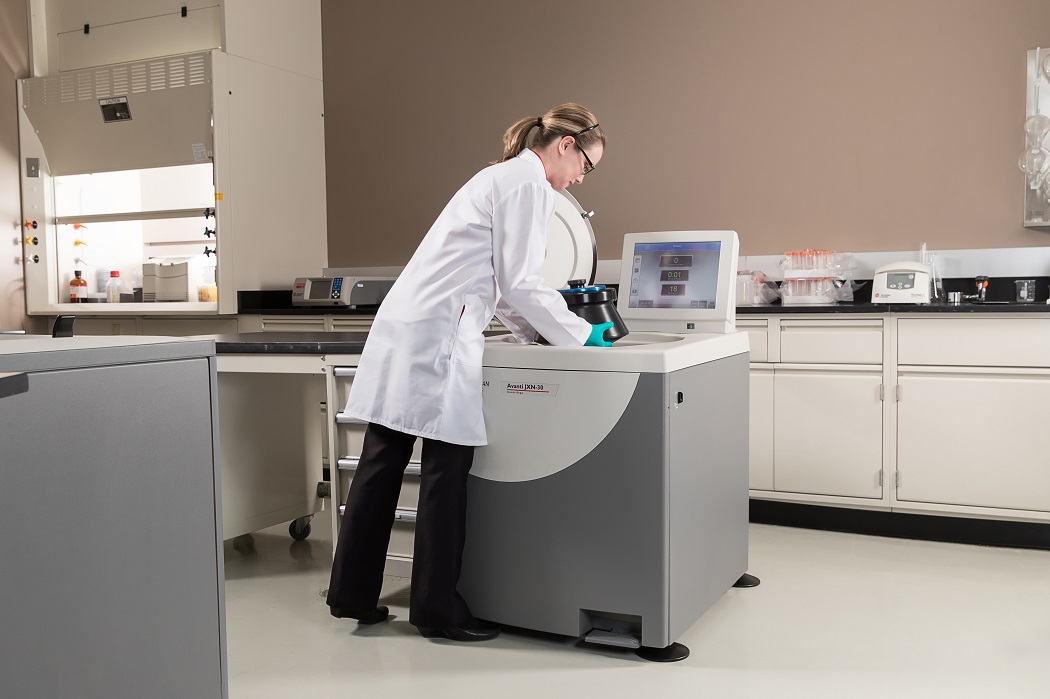
What Capacity and Speed Mean When Buying a Centrifuge

Capacity in a centrifuge refers to how many or how large samples it can process simultaneously, influencing overall throughput. Speed, measured in RPM or RCF, determines the centrifugal force applied, affecting the effectiveness and duration of sample separation Micro centrifuge. Balancing these factors impacts lab efficiency by reducing downtime and improving workflow. Selecting the right combination depends on sample type and volume. Further exploration reveals how these features match specific laboratory needs and optimize performance.

Centrifugation in Clinical Labs: Speed, Time, and Temperature Guidelines

How to Choose the Right Centrifuge Capacity for Your Samples

When selecting a centrifuge, the sample capacity is a critical factor that directly influences efficiency and suitability for specific laboratory tasks. Laboratories handling larger volumes require centrifuges with higher capacities to process multiple samples simultaneously Lab Alliance, minimizing downtime and increasing throughput.

Conversely, smaller-capacity centrifuges offer flexibility for individual or low-volume samples, ideal for tasks requiring precision without excess resource use. Users should assess typical sample sizes and batch frequency to determine the appropriate rotor size and tube capacity.

Considering the balance between capacity and available workspace secures operational freedom without compromising laboratory flow. Ultimately, selecting the right capacity optimizes productivity while accommodating varying sample demands, granting users the autonomy to tailor their equipment to unique experimental needs.

Why Centrifuge Speed Matters for Effective Separation

Understanding centrifuge speed is essential for achieving effective separation of sample components. Speed, typically measured in revolutions per minute (RPM) or relative centrifugal force (RCF), directly influences the sedimentation of particles based on their size and density. Higher speeds generate greater centrifugal forces, enabling faster and more distinct separation of substances such as cells, proteins, or nucleic acids.

Selecting an appropriate speed guarantees that samples are neither under- nor over-processed, maintaining integrity while optimizing separation. Insufficient speed may lead to incomplete separation, while excessive speed risks damaging delicate components. Consequently, precise control of centrifuge speed empowers users to tailor processes to their specific samples, ensuring reliable and reproducible results without sacrificing sample quality or freedom to adjust protocols as needed.

How Capacity and Speed Affect Your Lab’s Workflow

Optimizing centrifuge capacity and speed directly influences the efficiency and throughput of laboratory workflows. Selecting the right balance allows labs to maximize sample processing without unnecessary delays.

Properly matched capacity and speed reduce downtime and improve scheduling flexibility, empowering staff to manage multiple tasks smoothly. Key impacts include:

  1. Increased sample throughput by processing larger volumes faster.
  2. Reduced waiting times between runs, enhancing overall productivity.
  3. Greater adaptability to varied experiment demands and workload fluctuations.
  4. Minimized equipment bottlenecks, enabling continuous workflow and timely results.

Understanding these factors enables laboratories to operate freely, optimizing resources and meeting deadlines effectively without compromising quality or flexibility.

Centrifugeuse Grande Vitesse, Force G max, Capacité | Efficacité

Matching Centrifuge Features to Different Sample Types

Selecting centrifuge features that align with specific sample types is crucial for achieving accurate and efficient separation results.

Different samples, such as blood, tissue, or microbial cultures, require tailored rotor types and speed settings to optimize sedimentation without compromising sample integrity. For example, delicate cell suspensions benefit from adjustable acceleration and braking controls to prevent damage, while denser materials might need higher relative centrifugal force (RCF) for effective separation.

Additionally, tube sizes and shapes influence rotor compatibility, impacting capacity and processing time. Temperature control is essential when handling heat-sensitive samples to maintain viability.

Choosing a centrifuge with adaptable features empowers users to handle diverse sample types confidently, enhancing flexibility and reliability in laboratory workflows without unnecessary constraints.

Tips for Balancing Capacity and Speed When Buying a Centrifuge

How can laboratories effectively balance capacity and speed when purchasing a centrifuge? Achieving this balance requires careful consideration of operational needs and equipment capabilities to maximize efficiency and flexibility.

  1. Assess sample volume and frequency to determine the best rotor size that matches capacity without sacrificing speed.
  2. Prioritize variable speed settings, allowing adjustment based on sample type and desired separation quality.
  3. Consider centrifuge models with quick acceleration and deceleration features to reduce cycle times while maintaining throughput.
  4. Evaluate maintenance and energy consumption, ensuring that faster speeds do not lead to increased downtime or operational costs.

Conclusion

When selecting a centrifuge, understanding the significance of both capacity and speed is essential for optimizing laboratory efficiency. Capacity determines the volume of samples processed simultaneously, while speed influences the effectiveness of separation. Balancing these factors guarantees compatibility with various sample types and enhances workflow. Careful consideration of centrifuge features aligned with specific lab needs ultimately supports precise, reliable results and maximizes productivity in diverse research and clinical settings.

…