Capacity in a centrifuge refers to how many or how large samples it can process simultaneously, influencing overall throughput. Speed, measured in RPM or RCF, determines the centrifugal force applied, affecting the effectiveness and duration of sample separation Micro centrifuge. Balancing these factors impacts lab efficiency by reducing downtime and improving workflow. Selecting the right combination depends on sample type and volume. Further exploration reveals how these features match specific laboratory needs and optimize performance.

How to Choose the Right Centrifuge Capacity for Your Samples
When selecting a centrifuge, the sample capacity is a critical factor that directly influences efficiency and suitability for specific laboratory tasks. Laboratories handling larger volumes require centrifuges with higher capacities to process multiple samples simultaneously Lab Alliance, minimizing downtime and increasing throughput.
Conversely, smaller-capacity centrifuges offer flexibility for individual or low-volume samples, ideal for tasks requiring precision without excess resource use. Users should assess typical sample sizes and batch frequency to determine the appropriate rotor size and tube capacity.
Considering the balance between capacity and available workspace secures operational freedom without compromising laboratory flow. Ultimately, selecting the right capacity optimizes productivity while accommodating varying sample demands, granting users the autonomy to tailor their equipment to unique experimental needs.
Why Centrifuge Speed Matters for Effective Separation
Understanding centrifuge speed is essential for achieving effective separation of sample components. Speed, typically measured in revolutions per minute (RPM) or relative centrifugal force (RCF), directly influences the sedimentation of particles based on their size and density. Higher speeds generate greater centrifugal forces, enabling faster and more distinct separation of substances such as cells, proteins, or nucleic acids.
Selecting an appropriate speed guarantees that samples are neither under- nor over-processed, maintaining integrity while optimizing separation. Insufficient speed may lead to incomplete separation, while excessive speed risks damaging delicate components. Consequently, precise control of centrifuge speed empowers users to tailor processes to their specific samples, ensuring reliable and reproducible results without sacrificing sample quality or freedom to adjust protocols as needed.
How Capacity and Speed Affect Your Lab’s Workflow
Optimizing centrifuge capacity and speed directly influences the efficiency and throughput of laboratory workflows. Selecting the right balance allows labs to maximize sample processing without unnecessary delays.
Properly matched capacity and speed reduce downtime and improve scheduling flexibility, empowering staff to manage multiple tasks smoothly. Key impacts include:
- Increased sample throughput by processing larger volumes faster.
- Reduced waiting times between runs, enhancing overall productivity.
- Greater adaptability to varied experiment demands and workload fluctuations.
- Minimized equipment bottlenecks, enabling continuous workflow and timely results.
Understanding these factors enables laboratories to operate freely, optimizing resources and meeting deadlines effectively without compromising quality or flexibility.
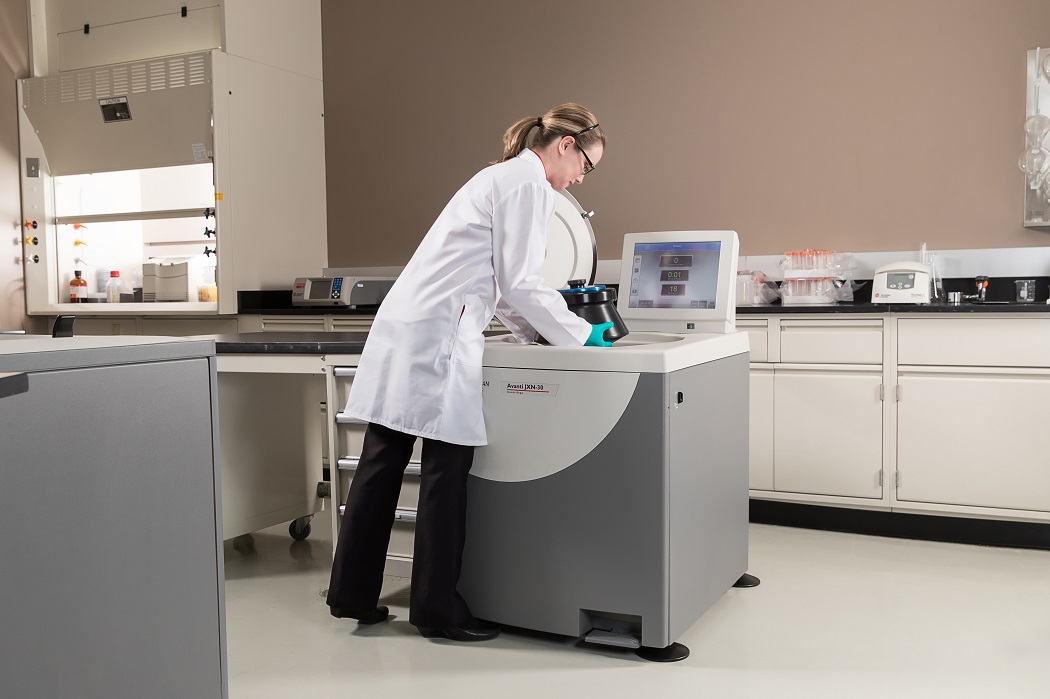
Matching Centrifuge Features to Different Sample Types
Selecting centrifuge features that align with specific sample types is crucial for achieving accurate and efficient separation results.
Different samples, such as blood, tissue, or microbial cultures, require tailored rotor types and speed settings to optimize sedimentation without compromising sample integrity. For example, delicate cell suspensions benefit from adjustable acceleration and braking controls to prevent damage, while denser materials might need higher relative centrifugal force (RCF) for effective separation.
Additionally, tube sizes and shapes influence rotor compatibility, impacting capacity and processing time. Temperature control is essential when handling heat-sensitive samples to maintain viability.
Choosing a centrifuge with adaptable features empowers users to handle diverse sample types confidently, enhancing flexibility and reliability in laboratory workflows without unnecessary constraints.
Tips for Balancing Capacity and Speed When Buying a Centrifuge
How can laboratories effectively balance capacity and speed when purchasing a centrifuge? Achieving this balance requires careful consideration of operational needs and equipment capabilities to maximize efficiency and flexibility.
- Assess sample volume and frequency to determine the best rotor size that matches capacity without sacrificing speed.
- Prioritize variable speed settings, allowing adjustment based on sample type and desired separation quality.
- Consider centrifuge models with quick acceleration and deceleration features to reduce cycle times while maintaining throughput.
- Evaluate maintenance and energy consumption, ensuring that faster speeds do not lead to increased downtime or operational costs.
Conclusion
When selecting a centrifuge, understanding the significance of both capacity and speed is essential for optimizing laboratory efficiency. Capacity determines the volume of samples processed simultaneously, while speed influences the effectiveness of separation. Balancing these factors guarantees compatibility with various sample types and enhances workflow. Careful consideration of centrifuge features aligned with specific lab needs ultimately supports precise, reliable results and maximizes productivity in diverse research and clinical settings.
