Flea spray operates by targeting multiple life stages of fleas, employing specific active ingredients for effective control. Understanding the intricacies of flea development and the chemical mechanisms at play is essential for successful application. Moreover flea spray for home, timing is critical for maximizing efficacy. Factors such as humidity and temperature can greatly influence performance. Knowing when to deploy flea spray can make all the difference in preventing infestations. What remains to be explored are the key components and strategies for best application.

Understanding Flea Life Stages
Understanding flea life stages is vital for effective pest control, as each stage presents unique vulnerabilities to treatment methods. Fleas undergo a complex life cycle consisting of four primary stages: egg, larva, pupa, and adult.
Flea reproduction begins when adult fleas mate https://igreenasia.com/, leading to egg deposition on hosts or in the environment. These eggs, typically white and oval, hatch into larvae within a week, feeding on organic debris, including adult flea feces.
The larval stage, lasting several days to weeks, is essential for survival since it evolves into a pupa, which can remain dormant for extended periods. Upon emergence, adult fleas jump onto hosts, seeking blood meals necessary for reproduction.
Understanding these life stages allows for targeted interventions, as treatments can be applied strategically at various lifecycle phases, optimizing the effectiveness of pest control measures and minimizing reinfestation risks.
Active Ingredients in Flea Sprays
Active ingredients in flea sprays play an important role in the efficacy of pest control strategies, as they determine the chemical mechanisms by which fleas are targeted and eliminated. Common active ingredients include pyrethroids, which disrupt the nervous system of fleas, and insect growth regulators (IGRs), which inhibit the development of juvenile fleas.
These substances are selected for their chemical efficacy, ensuring rapid action against adult fleas while also preventing future infestations by targeting eggs and larvae.
However, the use of these chemicals raises safety concerns, particularly regarding their impact on non-target organisms, including pets and humans. Regulatory agencies evaluate the safety profiles of these ingredients, balancing effectiveness against potential risks.
This scrutiny is essential in guiding consumers toward responsible usage, ensuring that flea control measures do not compromise health and safety while maximizing pest elimination. Understanding the active ingredients is important for effective and safe flea management.
How Flea Spray Targets Fleas
Flea sprays employ a multifaceted approach to effectively target and eliminate fleas at various life stages. These formulations typically contain active ingredients that disrupt flea behavior, targeting adults, larvae, and eggs.
Adulticides, such as pyrethroids, incapacitate adult fleas upon contact, leading to immediate knockdown. In contrast, insect growth regulators (IGRs) impede the development of larvae and prevent egg hatching, thereby interrupting the reproductive cycle.
The effectiveness of these sprays hinges on their ability to penetrate flea habitats, including carpets and upholstery, where larvae and eggs are often hidden. Proper application techniques enhance spray effectiveness, ensuring thorough coverage of infested areas.
Additionally, understanding flea behavior—such as their tendency to jump and hide—allows for strategic application, maximizing contact with the target population. This all-encompassing targeting strategy is essential for achieving long-lasting flea control in residential environments.
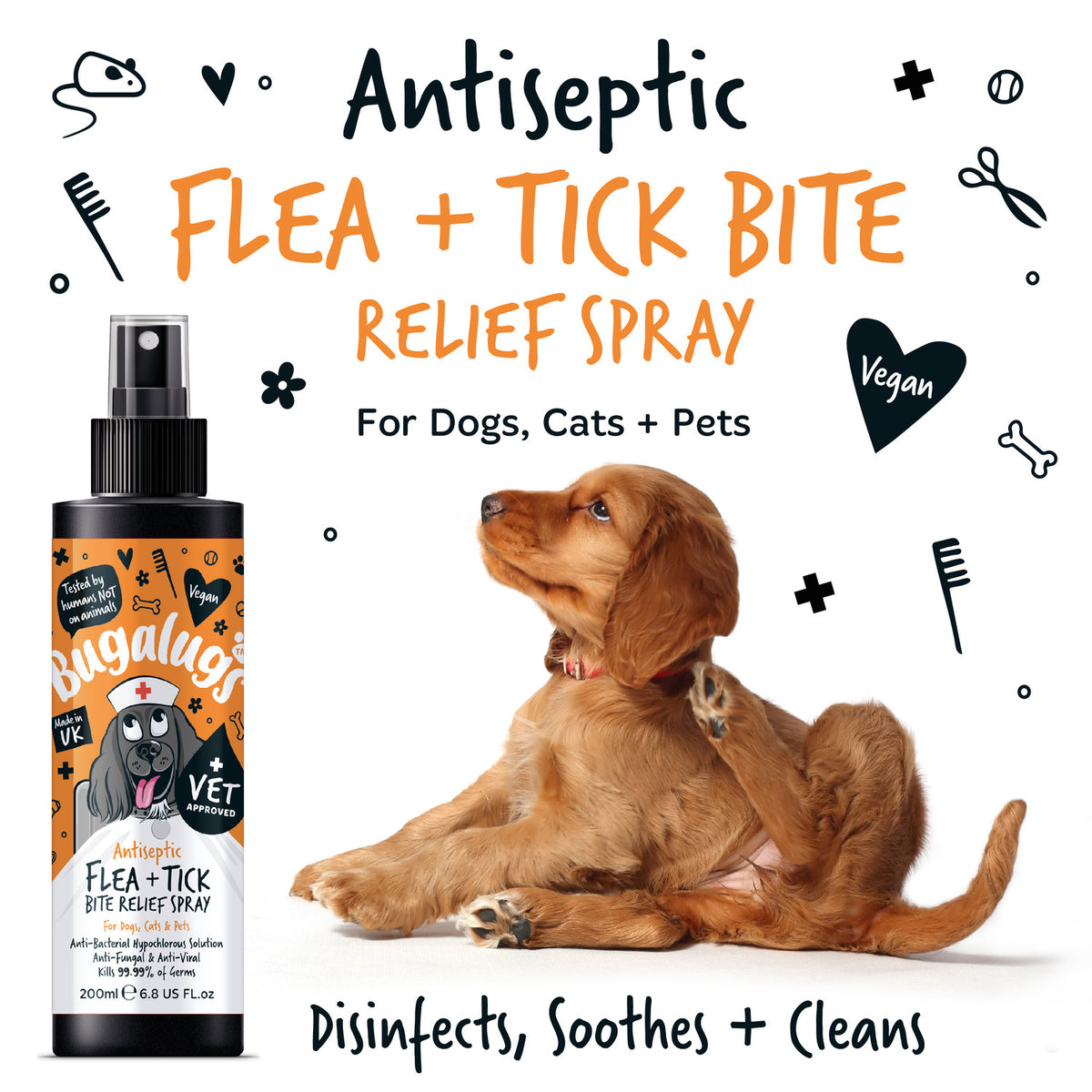
Timing Your Flea Spray Application
Effective flea control not only involves the right products but also requires careful consideration of the timing of application. Proper timing can markedly enhance the efficacy of flea sprays by ensuring that treatments coincide with peak flea activity.
Application frequency should be strategically planned, as adult fleas reproduce rapidly, and untreated areas can quickly become reinfested.
Optimal conditions for spraying include low humidity and moderate temperatures, ideally early in the morning or late in the evening, which minimizes the risk of spray evaporation and maximizes adherence to surfaces.
Additionally, it is essential to monitor weather conditions; rain can dilute the effectiveness of the spray and necessitate reapplication.
Regular assessments of flea populations should inform the timing, allowing for timely interventions before infestations escalate.
Ultimately, a well-timed application schedule is essential in achieving sustained flea control and preventing recurring infestations.
Conclusion
In summary, effective flea control requires a thorough understanding of flea life stages and the strategic application of flea sprays containing targeted active ingredients. By utilizing products that disrupt both adult fleas and their larvae, users can greatly diminish infestations. Additionally, timing applications during periods of low humidity and moderate temperatures enhances efficacy, while regular monitoring facilitates timely interventions. Ultimately, a methodical approach to flea management guarantees sustained results, preventing reinfestation and promoting a pest-free environment.
